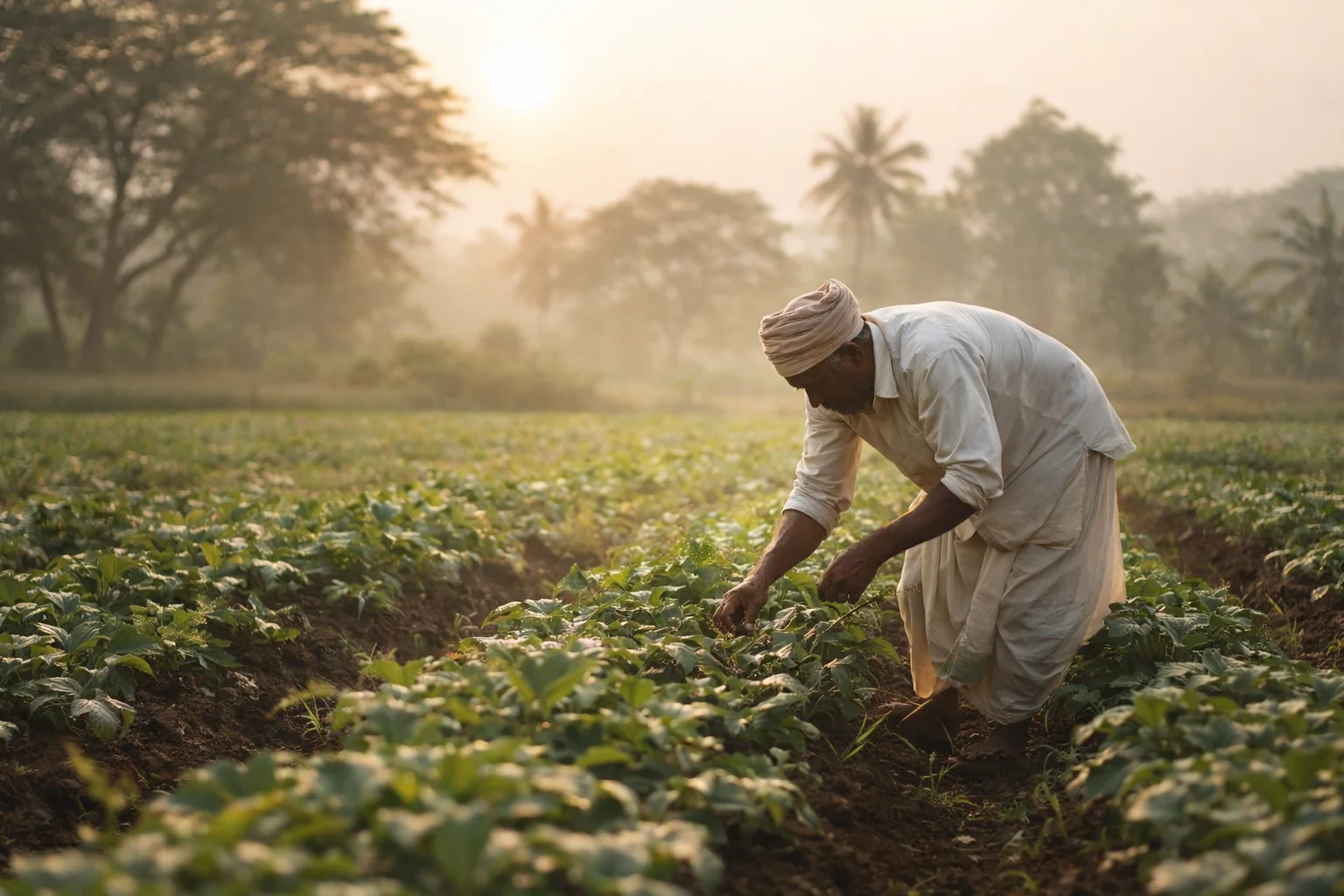
In recent years, organic farming in India has gained massive attention as people are becoming more conscious about what they eat. With rising concerns over chemicals, pesticides, and food quality, organic farming offers a safer and healthier alternative.
But organic farming is not just about better food — it’s about long-term health, environmental sustainability, and a better future for generations to come.
In this blog, we’ll explore 20 powerful benefits of organic farming and how it positively impacts your health in the long run.
🌿 What is Organic Farming?
Organic farming is a natural method of agriculture that avoids the use of chemical fertilizers, pesticides, and synthetic additives. Instead, it focuses on:
- Natural fertilizers (compost, manure)
- Crop rotation
- Biological pest control
- Sustainable farming practices
The goal is to produce food that is pure, safe, and environmentally friendly.
🌾 20 Benefits of Organic Farming
🥗 Health Benefits
1. Chemical-Free Food
Organic farming eliminates harmful pesticides and chemicals, reducing toxin intake in your body.
2. Higher Nutritional Value
Organic fruits and vegetables often contain more vitamins, minerals, and antioxidants.
3. Better Immunity
Natural food helps strengthen your immune system over time.
4. Reduced Risk of Diseases
Lower exposure to chemicals reduces risks of chronic diseases like cancer and hormonal disorders.
5. Safe for Children
Organic food is especially beneficial for growing children as it is free from harmful residues.
🌿 Environmental Benefits
6. Improves Soil Health
Organic farming enhances soil fertility using natural compost and microorganisms.
7. Reduces Pollution
No chemical runoff means cleaner water, soil, and air.
8. Supports Biodiversity
Encourages growth of beneficial insects, birds, and microorganisms.
9. Water Conservation
Healthy soil retains more water, reducing irrigation needs.
10. Climate-Friendly Farming
Organic methods reduce carbon footprint and greenhouse gas emissions.
🐄 Animal Welfare Benefits
11. Better Animal Health
Animals are raised naturally without harmful chemicals or antibiotics.
12. Ethical Farming Practices
Focus on humane and stress-free animal care.
🚜 Farmer & Economic Benefits
13. Lower Input Costs
Farmers reduce dependency on expensive chemical fertilizers.
14. Better Market Value
Organic products often sell at premium prices.
15. Sustainable Income
Encourages long-term farming stability.
🍃 Lifestyle Benefits
16. Improved Taste
Organic food tastes fresher and more natural.
17. Supports Local Farmers
Buying organic often supports small-scale farmers.
18. Promotes Healthy Living
Encourages a clean and conscious lifestyle.
19. Builds Trust in Food
You know exactly where your food comes from.
20. Long-Term Wellbeing
Regular consumption leads to better overall health over time.
🌱 How Organic Farming Impacts Your Health Long-Term
Switching to organic food is not an instant change — it’s a long-term investment in your health.
Over time, it helps:
- Reduce toxin buildup in the body
- Improve digestion and metabolism
- Boost energy levels
- Strengthen immunity
- Lower risk of lifestyle diseases
It’s not just food — it’s a lifestyle shift towards better living.
🌾 Why India Needs Organic Farming More Than Ever
India faces challenges like:
- Soil degradation
- Water pollution
- Chemical overuse
Organic farming offers a sustainable solution by restoring natural balance and ensuring safer food for millions.
🌿 Conclusion
Organic farming is not just a trend — it’s a necessity for a healthier future. From improving your health to protecting the environment, its benefits are undeniable.
By choosing organic products, you are not only taking care of your body but also supporting a better and more sustainable world.
 Pure A2 Desi Cow Milk & Dairy