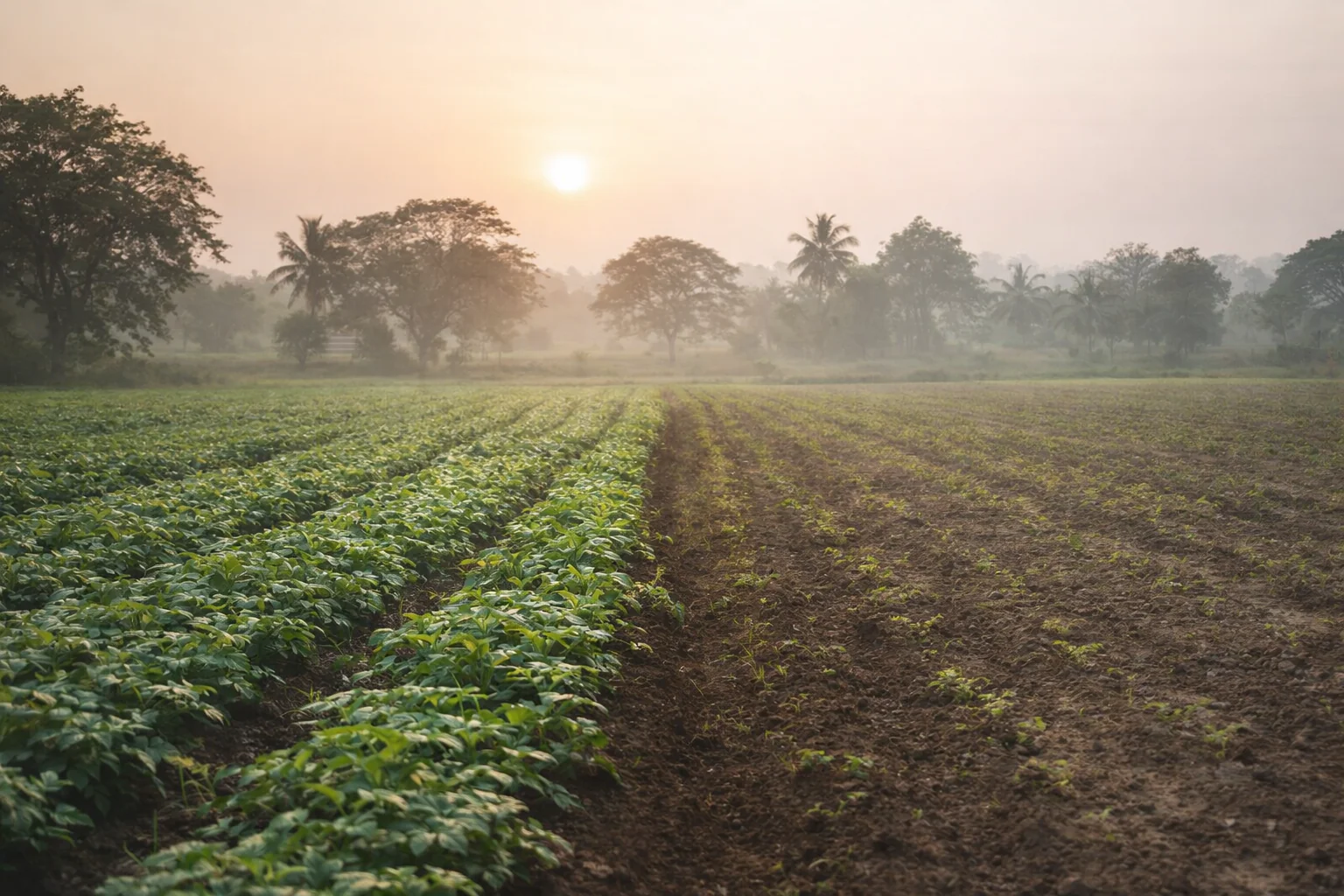
As the world faces increasing challenges like soil degradation, climate change, and health concerns due to chemical-based food, one solution is gaining strong momentum — organic farming.
In India and globally, people are becoming more conscious about what they consume and how it is produced. Organic farming is no longer just an alternative — it is becoming the future of agriculture.
🌾 What is Organic Farming?
Organic farming is a sustainable agricultural system that avoids synthetic chemicals, pesticides, and fertilizers. Instead, it focuses on:
- Natural compost and manure
- Crop rotation
- Biological pest control
- Eco-friendly farming practices
The goal is simple: produce pure food while protecting nature.
🌍 Why Organic Farming is the Future
🌱 1. Rising Health Awareness
Today’s consumers are more aware than ever about food quality. People are actively shifting towards:
- Chemical-free food
- Natural dairy products
- Fresh farm produce
Organic farming meets this demand by offering safe and nutritious food.
🌿 2. Increasing Demand for Organic Products
The demand for organic food is rapidly growing in India and worldwide.
Consumers are willing to pay more for:
- Purity
- Quality
- Transparency
This creates a strong and growing market for organic farmers.
🌾 3. Soil Health & Sustainability
Chemical farming has damaged soil fertility over time. Organic farming helps:
- Restore soil nutrients
- Improve soil structure
- Increase long-term productivity
Healthy soil means better crops for future generations.
💧 4. Water Conservation
Organic farming improves soil’s ability to retain water, which:
- Reduces irrigation needs
- Conserves water resources
- Helps during drought conditions
This makes it a sustainable solution for water management.
🌍 5. Environment-Friendly Approach
Organic farming reduces:
- Air pollution
- Water contamination
- Soil degradation
It also promotes:
- Biodiversity
- Natural ecosystems
This makes it essential for protecting the environment.
🐄 6. Ethical Animal Farming
In organic dairy farming:
- Animals are raised naturally
- No harmful chemicals or injections
- Better living conditions
This leads to:
- Healthier animals
- Better quality milk and dairy products
🚜 7. Better Income Opportunities for Farmers
Organic farming opens new income streams:
- Premium pricing
- Direct-to-consumer sales
- Brand-based farming (like Riyasat Farms)
Farmers can earn more with sustainable practices.
🍃 8. Government Support & Awareness
The Indian government is promoting organic farming through:
- Subsidies
- Training programs
- Certification support
This is accelerating the shift toward organic agriculture.
🌿 9. Climate Change Solution
Organic farming helps reduce:
- Carbon emissions
- Chemical usage
- Environmental damage
It plays a key role in building a climate-resilient agricultural system.
🥗 10. Shift Towards Conscious Living
Modern consumers are moving towards:
- Healthy eating
- Sustainable lifestyle
- Ethical consumption
Organic farming perfectly aligns with this lifestyle shift.
🌱 Challenges (And Why They’re Worth It)
Organic farming does come with challenges:
- Lower initial yield
- Higher labor requirement
- Certification process
However, the long-term benefits far outweigh these challenges, making it a future-proof farming method.
🌾 Organic Farming in India – A Growing Movement
India has a strong potential for organic farming due to:
- Traditional farming knowledge
- Diverse climate
- Increasing demand
States like Sikkim have already become 100% organic, setting an example for the rest of the country.
🌿 Conclusion
Organic farming is not just a trend — it is the future of agriculture.
It offers:
- Healthier food
- Sustainable farming
- Environmental protection
- Better farmer livelihoods
As consumers, choosing organic means supporting a better future — for yourself, for farmers, and for the planet.
 Pure A2 Desi Cow Milk & Dairy